

Hope you had a great vacation. That simple, ubiquitous phrase we exchange in offices, school hallways, and group chats is far more than a polite pleasantry. It is a cultural touchstone, a gateway between two distinct worlds: the liberated realm of rest and adventure, and the structured reality of our daily responsibilities. This article delves into the profound journey of returning from time away, exploring not just the logistics of re-entry, but the emotional, psychological, and practical art of integrating your vacation’s peace into your everyday life. To sincerely hope someone had a great vacation is to acknowledge the deep human need for respite and the bittersweet, yet potentially powerful, process of coming back. Hope You Had a Great Vacation
The statement itself carries a weight of shared understanding. We’ve all stood at that threshold, suitcase by the door, skin still warm from a different sun, mentally preparing to step back into the rhythm of obligations. The hope expressed is for a journey that was rejuvenating, inspiring, and joyful. But what happens next? The true challenge and opportunity lie in the “and so on”—the days and weeks that follow. How do we carry the clarity of a mountain vista or the calm of ocean waves into our morning commute and inbox? This transition period is critical; it can be a moment of deflating loss or a launching pad for sustained well-being and renewed perspective. This guide is designed to transform your post-vacation phase from a dreaded comedown into a curated, intentional extension of the benefits you gained while away. Hope You Had a Great Vacation
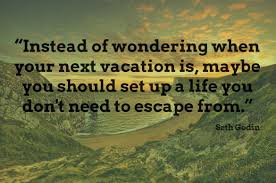
“A vacation is not an escape from life, but a chance for life to catch up with you.” – Anonymous
Navigating the Inevitable: Understanding Post-Vacation Blues
Let’s address the elephant in the room first. That slump, the mild melancholy, the sense of deflation you might feel upon return—often dubbed the “post-vacation blues”—is not a sign of ingratitude or weakness. It is a perfectly normal psychological and physiological response to a significant shift in environment, routine, and dopamine levels. On vacation, your brain is treated to novel experiences, reduced stress hormones, and a heightened sense of presence. Returning to a predictable, demand-heavy environment creates a contrast that can feel jarring. The key is not to judge this feeling but to understand it as part of the process. Acknowledging it is the first step toward managing it effectively.
This transitional funk can manifest in various ways: a lack of motivation, irritability, fatigue, or a sense that your daily life seems dull in comparison to your adventures. It’s crucial to differentiate these typical blues from more serious burnout or depression. The blues are generally temporary, lifting within a few days to a week as you readjust. They are specifically tied to the contrast with your recent vacation. By reframing this period not as an end, but as a bridge, you can approach it with more self-compassion and strategic action. The goal isn’t to cling to the vacation itself, but to harvest its gifts for use in your everyday existence. Hope You Had a Great Vacation
The Strategic Re-Entry: Your First 24 Hours Back
Your actions in the first day home set the tone for your entire re-entry. Resist the temptation to plunge headlong into chaos. A strategic, gentle approach can mitigate shock and preserve your sense of calm. If possible, give yourself a buffer day—a full 24 hours at home before you are required to be “on” for work or major responsibilities. This day is not for productivity in the traditional sense; it is for intentional re-acclimation. Use it to physically unpack, literally and metaphorically. Unpack your suitcase, do a load of laundry, and put away travel items. This simple act provides closure to the journey and clears physical clutter, which reduces mental clutter. Hope You Had a Great Vacation
Beyond unpacking, use this time for grounding rituals. Go to the grocery store to stock up on fresh, simple food. Take a long walk in your own neighborhood, seeing it with the fresh, appreciative eyes you cultivated abroad. Reconnect with your pets or family without a packed agenda. The aim is to slowly sync your body and mind back to your home time zone and rhythm without aggression. Avoid the urge to immediately scroll through all work emails; if you must check, set a strict 15-minute timer to scan for absolute emergencies only. This day of decompression is an investment. It allows the vacation’s restorative effects to settle into your system, making you more resilient and focused when you officially resume your duties. Hope You Had a Great Vacation
From Souvenirs to Systems: Integrating Vacation Mindset into Daily Life
The most lasting benefit of a great vacation is often the shift in perspective it provides. You might have felt more patient, more creative, more present, or more physically active. The tragic mistake is to compartmentalize that version of yourself as a “vacation-only” model. The real work—and joy—of returning is to identify those positive shifts and engineer ways to weave them into your regular routine. This is where the phrase “hope you had a great vacation” transforms into a catalyst for lasting change. It’s about moving beyond the souvenir magnet on the fridge and building systems that echo the vacation’s spirit. Hope You Had a Great Vacation
Start with a simple reflection. In a journal, answer: When did I feel most at peace or most alive on my trip? Was it during morning quiet time, while trying new food, during physical activity, or while being completely unplugged? Identify one or two specific elements. Then, problem-solve: How can I create a micro-version of that at home? If you loved slow mornings with coffee on a balcony, could you institute a 15-minute “balcony moment” on your porch or by a window each morning, phone-free? If you felt energized from daily hikes, could you commit to a 30-minute walk in a local park three times a week? The integration isn’t about replicating the Eiffel Tower in your backyard; it’s about transplanting the feeling. This process turns the post-vacation period from an ending into a beginning—the start of a life subtly upgraded by your experiences. Hope You Had a Great Vacation